

-
Faculty of Arts and HumanitiesJakobi 2, r 116-121, 51005 Tartu linn, Tartu linn, TartumaaJakobi 2, 51005 Tartu linn, Tartu linn, TartumaaJakobi 2, IV korrus, 51005 Tartu linn, Tartu linn, TartumaaJakobi 2, III korrus, ruumid 302-337, 51005 Tartu linn, Tartu linn, TartumaaÜlikooli 16, 51003 Tartu linn, Tartu linn, TartumaaÜlikooli 18, 50090 Tartu linn, Tartu linn, TartumaaLossi 3, 51003 Tartu linn, Tartu linn, TartumaaPosti 1, 71004 Viljandi linn, ViljandimaaJakobi 2, 51005 Tartu linn, Tartu linn, TartumaaJakobi 2, 51005 Tartu linn, Tartu linn, TartumaaFaculty of Social SciencesLossi 36, 51003 Tartu linn, Tartu linn, TartumaaJakobi 5, 51005 Tartu linn, Tartu linn, TartumaaLossi 36, ruum 301, 51003 Tartu linn, Tartu linn, TartumaaNarva mnt 18, 51009 Tartu linn, Tartu linn, TartumaaNäituse 2, 50409 Tartu linn, Tartu linn, TartumaaNäituse 20 - 118, 50409 Tartu linn, Tartu linn, TartumaaLossi 36, 51003 Tartu linn, Tartu linn, TartumaaRaekoja plats 2, 20307 Narva linn, Ida-VirumaaLossi 36, 51003 Tartu linn, Tartu linn, TartumaaLossi 36, 51003 Tartu linn, Tartu linn, TartumaaFaculty of MedicineRavila 19, 50411 Tartu linn, Tartu linn, TartumaaBiomeedikum, Ravila 19, 50411 Tartu linn, Tartu linn, TartumaaNooruse 1, 50411 Tartu linn, Tartu linn, TartumaaL. Puusepa 1a, 50406 Tartu linn, Tartu linn, TartumaaL. Puusepa 8, 50406 Tartu linn, Tartu linn, TartumaaRavila 19, 50411 Tartu linn, Tartu linn, TartumaaUjula 4, 51008 Tartu linn, Tartu linn, TartumaaRavila, 50411 Tartu linn, Tartu linn, TartumaaRavila 19, 50411 Tartu linn, Tartu linn, TartumaaFaculty of Science and TechnologyVanemuise 46 - 208, 51003 Tartu linn, Tartu linn, TartumaaNarva mnt 18, 51009 Tartu linn, Tartu linn, TartumaaRavila 14a, 50411 Tartu linn, Tartu linn, TartumaaNarva mnt 18, 51009 Tartu linn, Tartu linn, TartumaaRiia 23, 23b - 134, 51010 Tartu linn, Tartu linn, TartumaaNooruse 1, 50411 Tartu linn, Tartu linn, TartumaaJ. Liivi tn 2, 50409 Tartu linn, Tartu linn, TartumaaRiia 23b/2, 51010 Tartu linn, Tartu linn, TartumaaVanemuise 46, 51003 Tartu linn, Tartu linn, TartumaaVanemuise 46, 51003 Tartu linn, Tartu linn, TartumaaArea of RectorArea of Vice Rector for Academic AffairsUppsala 10, 51003 Tartu linn, Tartu linn, TartumaaÜlikooli 18b, 51005 Tartu linn, Tartu linn, TartumaaÜlikooli 18a (III korrus), 51005 Tartu linn, Tartu linn, TartumaaArea of Vice Rector for ResearchW. Struve 1, 50091 Tartu linn, Tartu linn, TartumaaArea of Director of AdministrationÜlikooli 18, ruumid 102, 104, 209, 210, 50090 Tartu linn, Tartu linn, TartumaaÜlikooli 18A (III korrus), 51005 Tartu linn, Tartu linn, TartumaaArea of Head of FinanceÜlikooli 17, 51005 Tartu linn, Tartu linn, TartumaaArea of Vice Rector for DevelopmentLossi 25, 51003 Tartu linn, Tartu linn, TartumaaVanemuise 46, 51003 Tartu linn, Tartu linn, TartumaaNarva mnt 18, 51009 Tartu linn, Tartu linn, TartumaaArea of Academic SecretaryUppsala 6, Lossi 36, 51003 Tartu linn, Tartu linn, Tartumaa
Topic: governance

University of Tartu and the Ministry of Education and Research signed the new administrative contract
On 13 May, the Ministry of Education and Research and the University of Tartu concluded an administrative contract for 2026–2028. It sets out the objectives of increasing student admissions in fields with higher labour demand, expanding the volume of doctoral research related to artificial intelligence, and supporting internationalisation and talent policy.

Take the TEDx stage - Speaker application is open!
Speaker application is open until April 1 for TEDxUniversity of Tartu.

Watch the recording: University of Tartu development conference “A university for us, Estonia and the world”
On 27 October from 13–18, the University of Tartu development conference “A university for us, Estonia and the world” took place in the university assembly hall and online. Keynote speakers were Toomas Hendrik Ilves, Kersti Kaljulaid and Kristina Kallas.

University of Tartu’s new strategic plan focuses on enhancing international competitiveness and societal impact, and creating the best learning and working environment
On 16 June, the council of the University of Tartu approved the new strategic plan, which sets the direction for the university’s activities for the next ten years.
17 June 2025
governance

Research and innovation gap in Europe is narrowing, but its elimination requires continuous support and improvements
Over the past decade, widening countries (those with lower research and innovation performance) have made substantial progress in increasing their participation in European research and innovation programmes. However, differences have emerged in the development capacity and needs of research institutions in these countries.
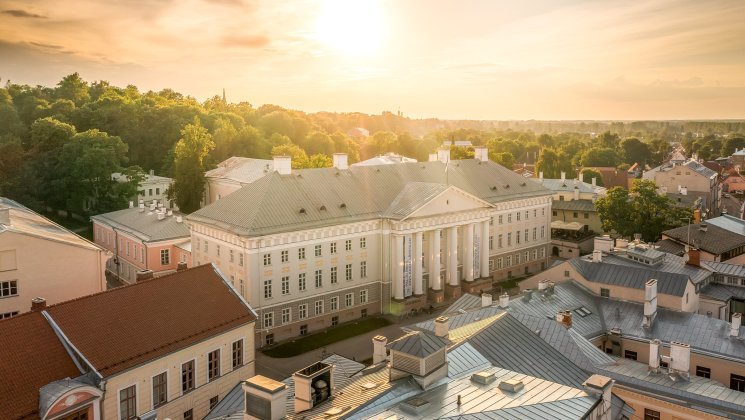
Preparation of the university's new strategic plan begins
The strategic plan A2025 period is coming to an end and the university has set up a committee to prepare a new strategic plan.
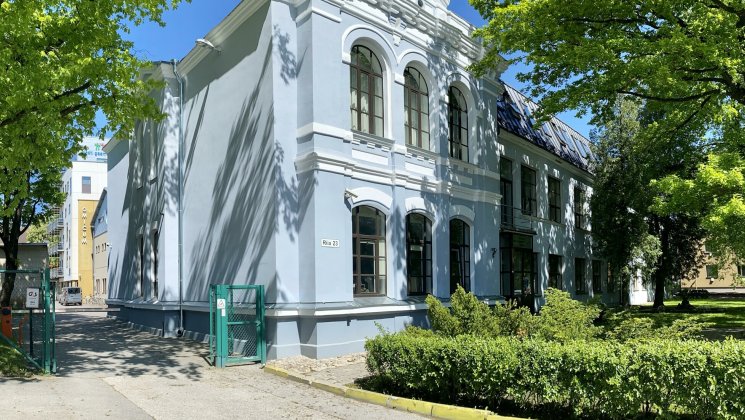
Maia Kivisaar to continue as Director of the Institute of Molecular and Cell Biology
On 7 November, the council of the University of Tartu Institute of Molecular and Cell Biology re-elected Professor of Microbial Genetics Maia Kivisaar as the director of the institute for 2024-2026.
10 November 2023
governance

Europe’s innovation gap cannot be closed overnight yet needs urgent action
Although several measures have been implemented to close the innovation gap between the old and the new EU member states, the gap continues to increase. An analysis focusing on life sciences suggests that instead of importing talent from Western Europe, more emphasis should be laid on nurturing local excellence.
16 October 2023
governance
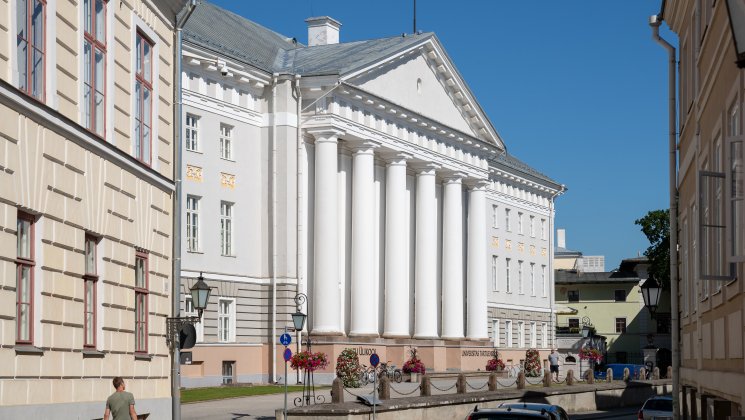
Election commission registered dean candidates
On 12 September, the commission formed for the dean elections registered the dean candidates of the university’s four faculties.
12 September 2023
governance
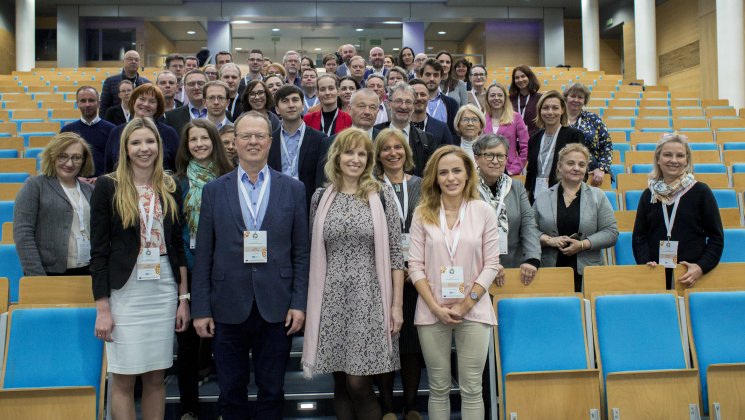
Mini-conference, Community meeting and Technology transfer workshop in Medical University of Lodz
Mini-conference, Community meeting and Technology transfer workshop in Medical University of Lodz
24 May 2023
governance
